

Crafted Conversation: Rowell Concepcion, Binata Millinery
The NYC-based milliner takes Nest inside his handcrafted business

Published by Nest, a nonprofit providing no-cost business development resources to creative entrepreneurs worldwide, Crafted Conversations brings you the inside stories from artisans and makers who are leaning into handcraft as a form of self-expression, a means to social and economic mobility, and a way to celebrate and preserve their culture. Prepare to be inspired, educated and involved in their craft and businesses.
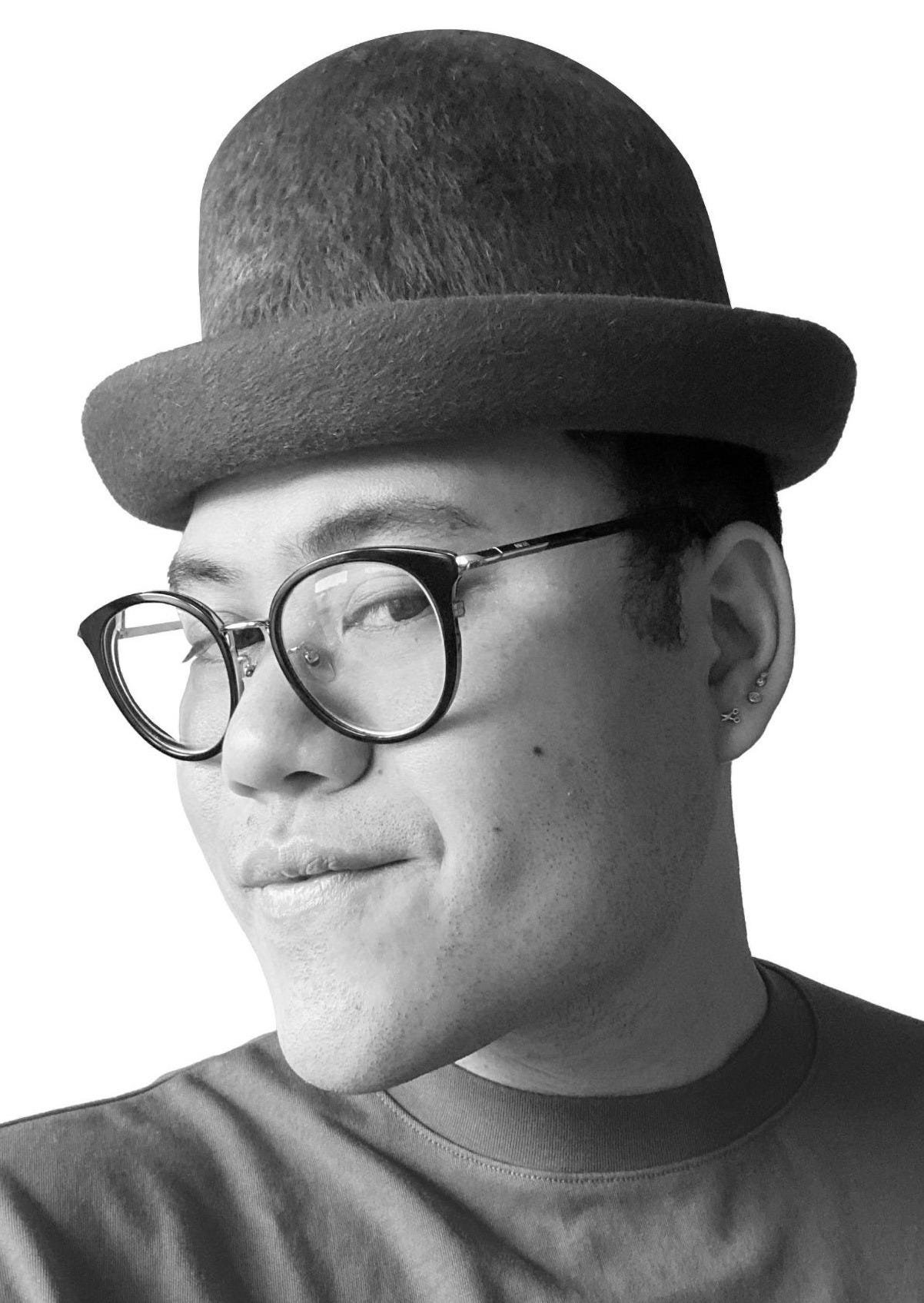
Blending a sense of whimsy with meticulous craftsmanship, Rowell Concepcion founded Binata Millinery in 2020. After discovering a love for hat making while studying at FIT, the first generation Filipino-American designs in New York City while working with artisans in the Philippines and handcrafting himself (he’s made over 1000 pieces by hand!) Rowell’s story is so rich that we are sharing his interview over two posts. In this week’s edition of Crafted Conversations, learn more about his journey into handcraft and his design process.
NEST: How did you get started on your maker journey?
ROWELL: I began my maker journey while studying millinery at the Fashion Institute of Technology. Although I had always loved hats and already knew how to sew, I enrolled in a millinery course simply to try something new. After creating my first hat, I knew I had found something special.
The combination of artistry, technical skill, and storytelling felt natural to me, inspiring me to complete FIT’s millinery program. Today, that journey continues through Binata Millinery, where I create handcrafted headwear that celebrates artistry, heritage, and self-expression.
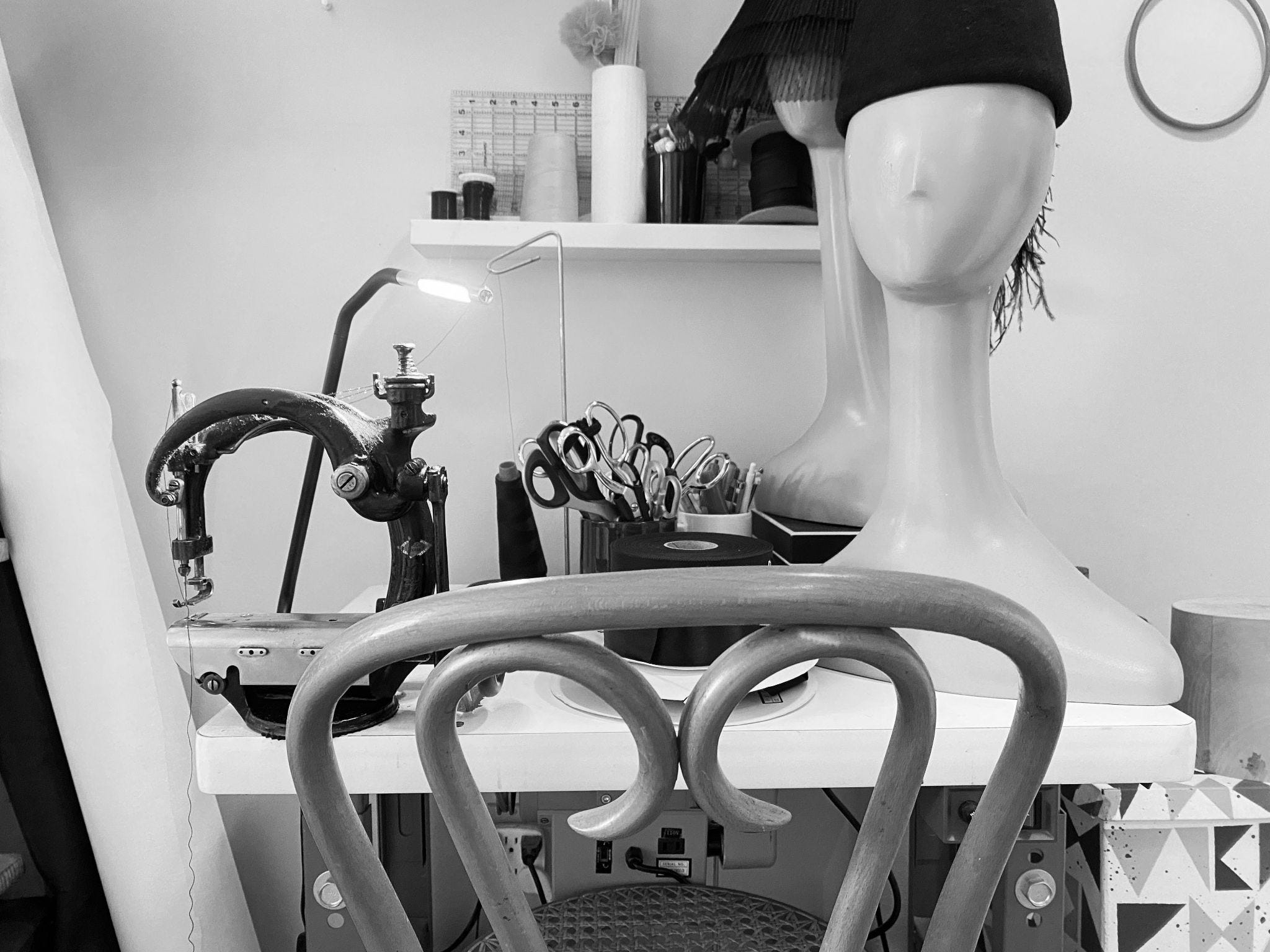
“I have created well over a thousand pieces by hand. Through that process, I have learned how different materials behave, refined my technical skills, and developed my own approach to design.”
NEST: How did your craft progress after school?
ROWELL: The Fashion Institute of Technology gave me the foundation in millinery and introduced me to the traditional techniques of the craft. Years of making, however, have been my greatest teacher.
I have created well over a thousand pieces by hand. Through that process, I have learned how different materials behave, refined my technical skills, and developed my own approach to design. Every piece presents new challenges and opportunities to refine my approach, which is one of the things that keeps the work engaging and rewarding.
The last piece I made was a custom headpiece inspired by rabbit ears. The design involved shaping and wiring the structure by hand to achieve the right balance of movement, form, and stability. I enjoy projects like these because they allow me to explore the more sculptural side of millinery while pushing the boundaries of what a hat or headpiece can be.
“I want my work to feel expressive and artistic, but also wearable and meaningful to the person who chooses it.”
NEST: Talk us through your design process from start to finish.
ROWELL: My process often begins with materials. In millinery, many materials are limited in availability, so I like to start by exploring what is in front of me and considering how its qualities can inform the design.
From there, I experiment with shape, structure, and silhouette. Inspiration can come from almost anywhere, including fashion, art, architecture, nature, or everyday observations. Sometimes an idea arrives immediately, and other times it evolves through the process of making. I am particularly drawn to creating pieces with a sculptural quality and a strong sense of character.
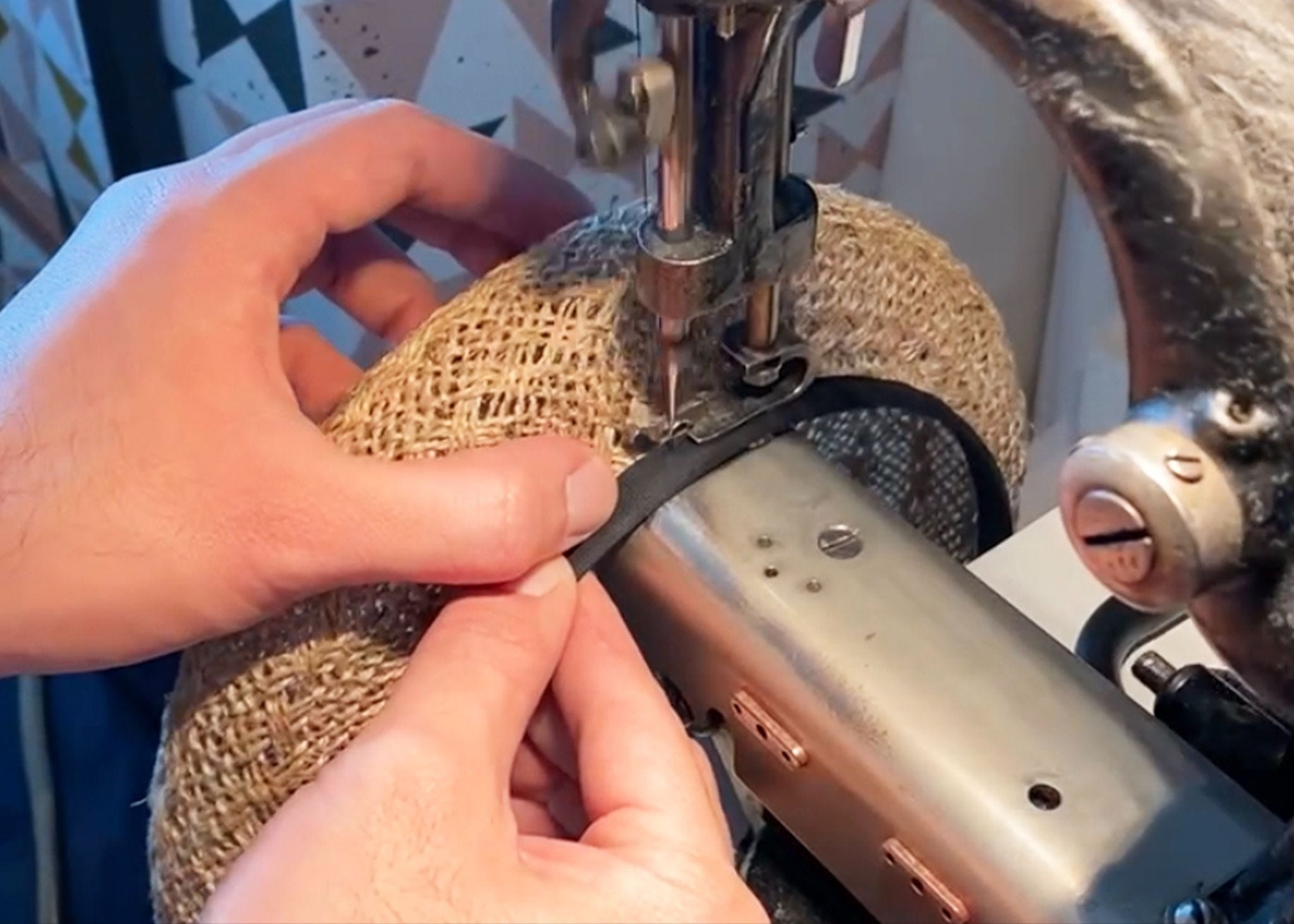
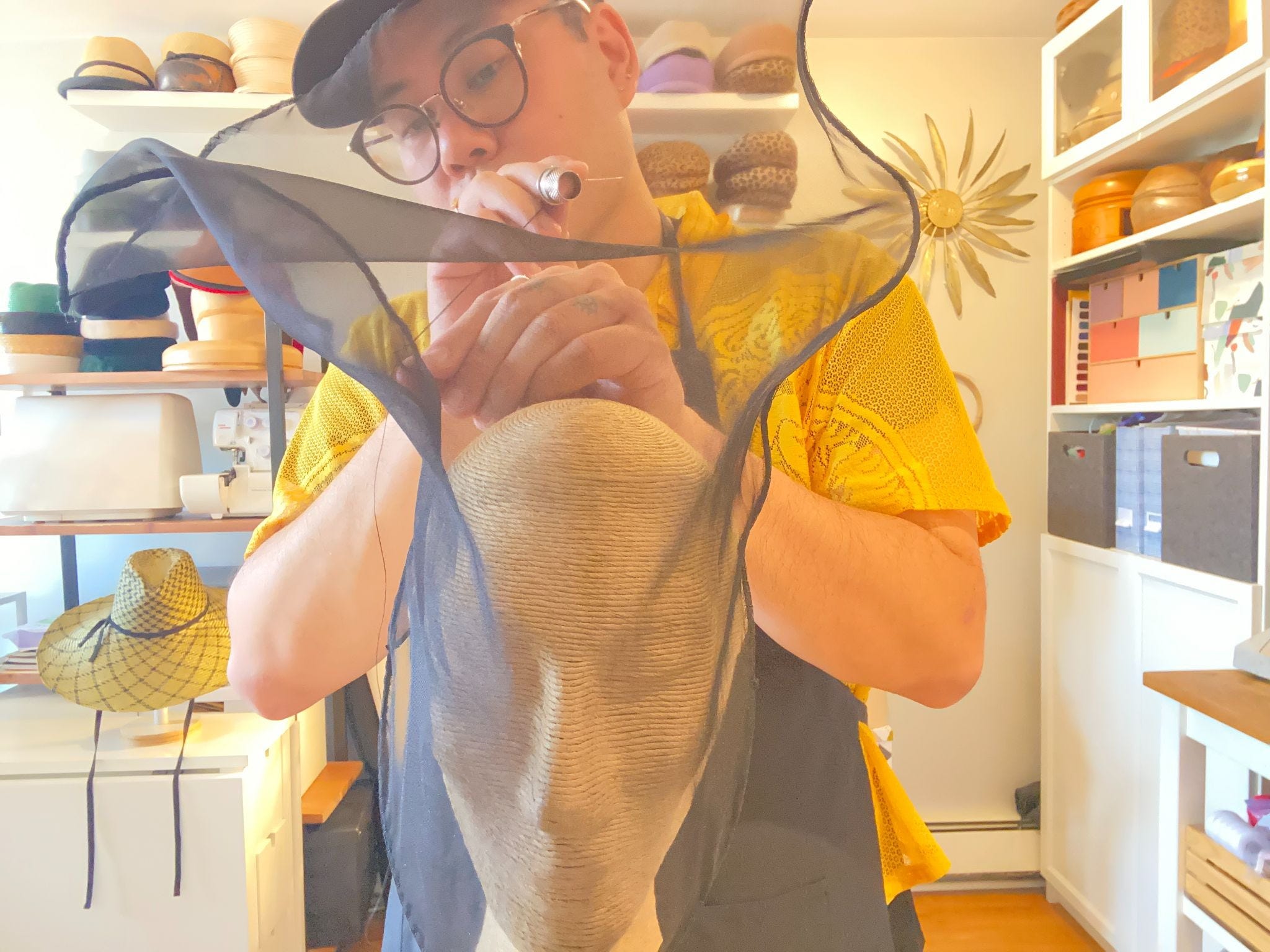
The making process involves blocking, steaming, shaping, trimming, and hand-finishing each piece. Over the years, my technical skills have become much more intuitive, allowing me to spend more time refining ideas and craftsmanship while still maintaining the care and attention that handmade work requires.
“Long before I became a milliner, I was fascinated by the way a single accessory could transform how a person felt and presented themselves.”
NEST: Who is one person that has greatly impacted your craft journey?
ROWELL: My parents have had the greatest impact on my craft journey. Binata Millinery was founded in their honor, and their resilience, generosity, and work ethic continue to inspire how I approach both my craft and my business.
Their influence reminds me that making is about more than creating a product. It is about building something meaningful, supporting others, and leaving a lasting impact. That perspective continues to guide my work every day.
NEST: Was there a person, place, or experience that inspired you to begin creating?
ROWELL: I have always been drawn to objects that sit at the intersection of art and function. Long before I became a milliner, I was fascinated by the way a single accessory could transform how a person felt and presented themselves.
For a long time, I had not found a medium that felt truly my own. When I eventually discovered millinery, I realized it brought together everything I loved: craftsmanship, sculpture, storytelling, and personal expression. It gave me a way to create work that is both artistic and deeply connected to the people who wear it.