

Crafted Conversation: Jenny McGee of Starfish Project
In recognition of World Day Against Trafficking in Persons

In recognition of World Day Against Trafficking in Persons on July 30, we want to highlight the important role that artisan businesses can play in creating pathways to safe, dignified work and economic opportunity for escaped survivors. One such organization is Starfish Project, which employs survivors of human trafficking and exploitation to experience freedom, establish independence, and develop careers.
“They wanted opportunities for meaningful work, the chance to provide for themselves, and to build a different future.”
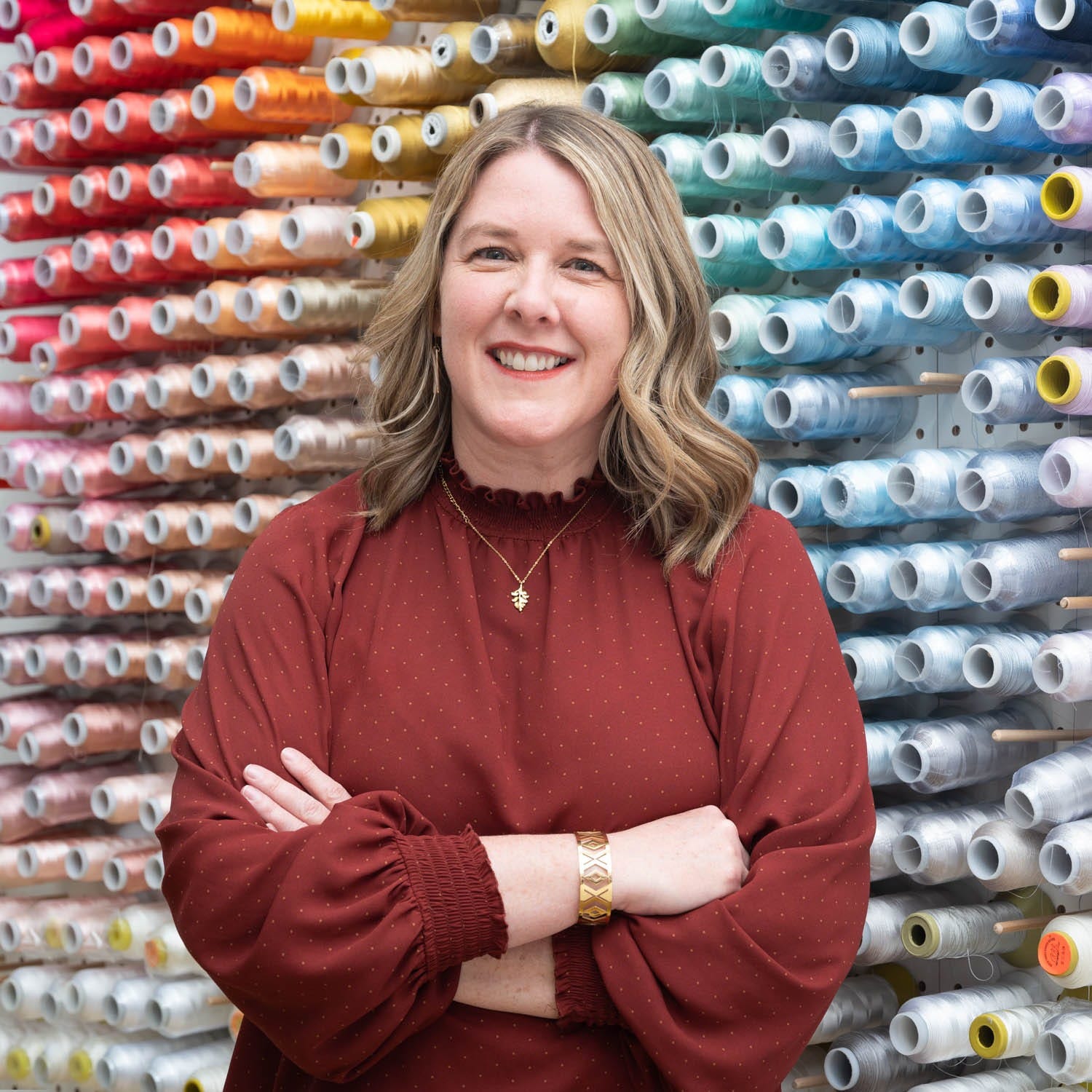
Starfish Project Founder & CEO Jenny McGee has committed her life to this cause, growing her jewelry brand from five women around a dining table to employing over 200 women. What began as building relationships with marginalized women in brothels has evolved over 20 years to become an aftercare organization and social enterprise. From her home base in East Asia, Jenny talked to Nest about how Starfish Project came to be, where she sees it going, and how the survivors contribute meaningfully to the business as well as their own lives.
NEST: How did you get started on your journey to building Starfish Project?
JENNY: I didn’t start with a passion for jewelry. I started with a passion for people. I met women whose lives had been shaped by exploitation, and what struck me most wasn’t what they had been through. It was the incredible potential I saw. They wanted opportunities for meaningful work, the chance to provide for themselves, and to build a different future. Jewelry just happened to become the vehicle.
What began around a small table with a handful of women has grown into a global community of artisans, designers, photographers, storytellers, customers, and friends. Looking back, it’s amazing how something as small as a necklace can become part of such a much bigger story.
“Every necklace carries a whole community inside it.”
NEST: What is one thing you wish people knew about being an entrepreneur?
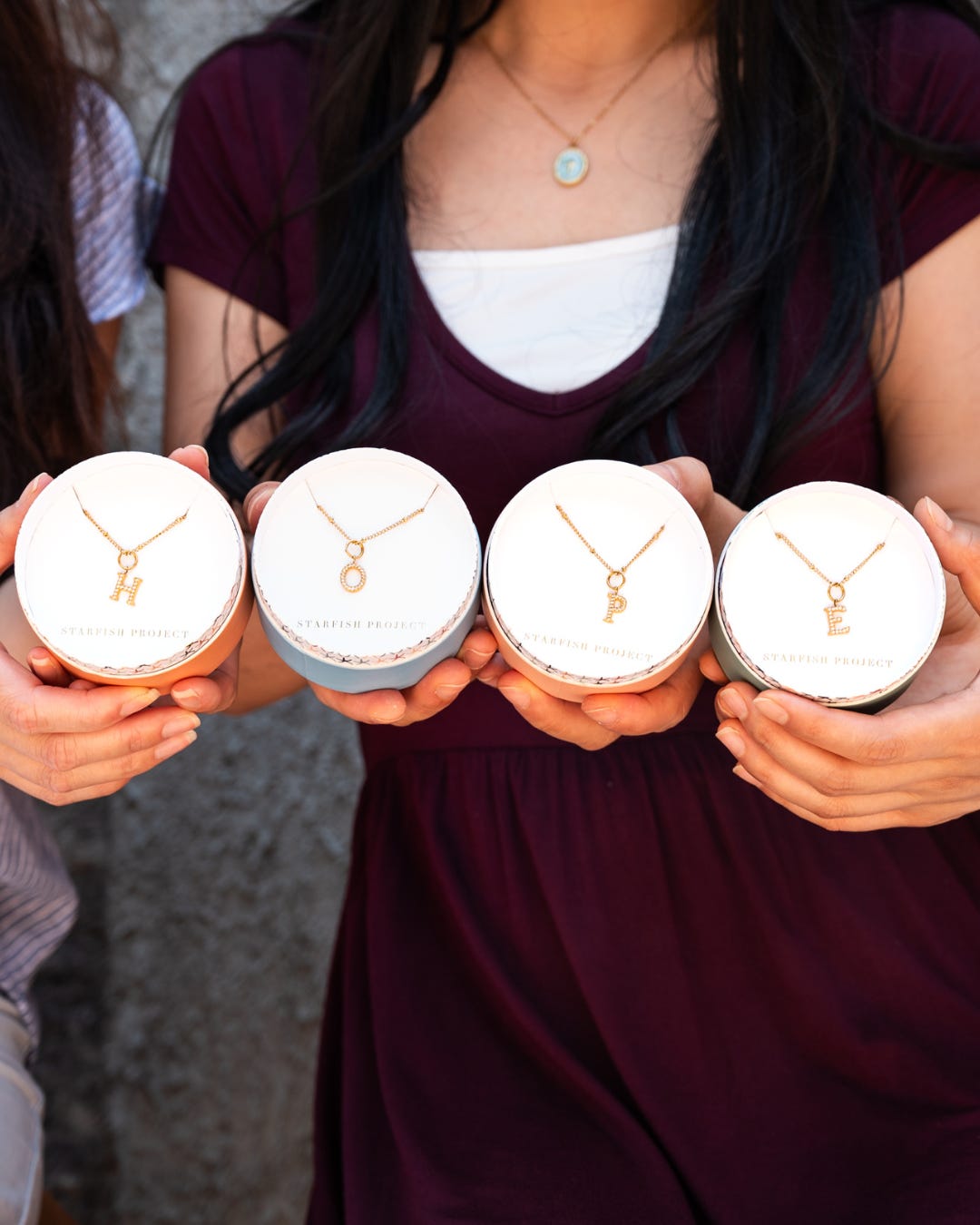
JENNY: That no one does it alone. People sometimes imagine a designer sketching a beautiful necklace on a napkin and magically bringing it to life. I wish it worked that way! In reality, every piece has dozens of people behind it. Designers, artisans, photographers, logistics teams, marketers, warehouse staff, and finally the customer who chooses to wear it.
Every necklace carries a whole community inside it.
NEST: What gives you the most joy in your work?
JENNY: Without question, watching women surprise themselves.
I’ve watched women arrive at Starfish Project who will barely look you in the eye, only to become incredible leaders several years later. Some now lead departments, design collections, or mentor younger women. Seeing that transformation never gets old.
“Ideas are everywhere. Sometimes inspiration comes from architecture while traveling. Sometimes it’s a mountain hike, a tiny café, vintage jewelry at a market, or simply watching how women layer necklaces on Instagram.”
NEST: What is a career highlight?
JENNY: It’s hard to choose just one. Recently we celebrated Starfish Project’s 20th anniversary. Looking around the room and seeing women who had once been trainees now leading teams, mentoring others, and helping shape our future was incredibly emotional.
There were definitely tears. (Happy ones!)
NEST: Where do you see your business in one year? Five years?
JENNY: This next year feels really exciting because we’re leaning into creativity in fresh ways, especially video, storytelling, AI, and design. I love learning, so this season feels like being given permission to play while building something meaningful.
“In five years, I hope Starfish Project will be known not simply as a jewelry company with a mission, but as one of the world’s leading examples of how beautiful products, meaningful employment, and survivor leadership can transform communities.”
NEST: What is your process like from ideation to finish?
JENNY: Ideas are everywhere. Sometimes inspiration comes from architecture while traveling. Sometimes it’s a mountain hike, a tiny café, vintage jewelry at a market, or simply watching how women layer necklaces on Instagram.
From there our designers sketch, prototype, tweak, argue over tiny details, remake things, and occasionally fall completely in love with an idea that doesn’t work at all.
Eventually, after lots of refining, a piece finally feels right. That’s when our artisans begin bringing it to life. Then it is photographed, beautifully packaged, and shared with customers.
“It’s that combination of heritage and contemporary design that makes each collection feel unique.”
NEST: How do you incorporate traditional craft techniques?
JENNY: One thing I love most is combining old and new.
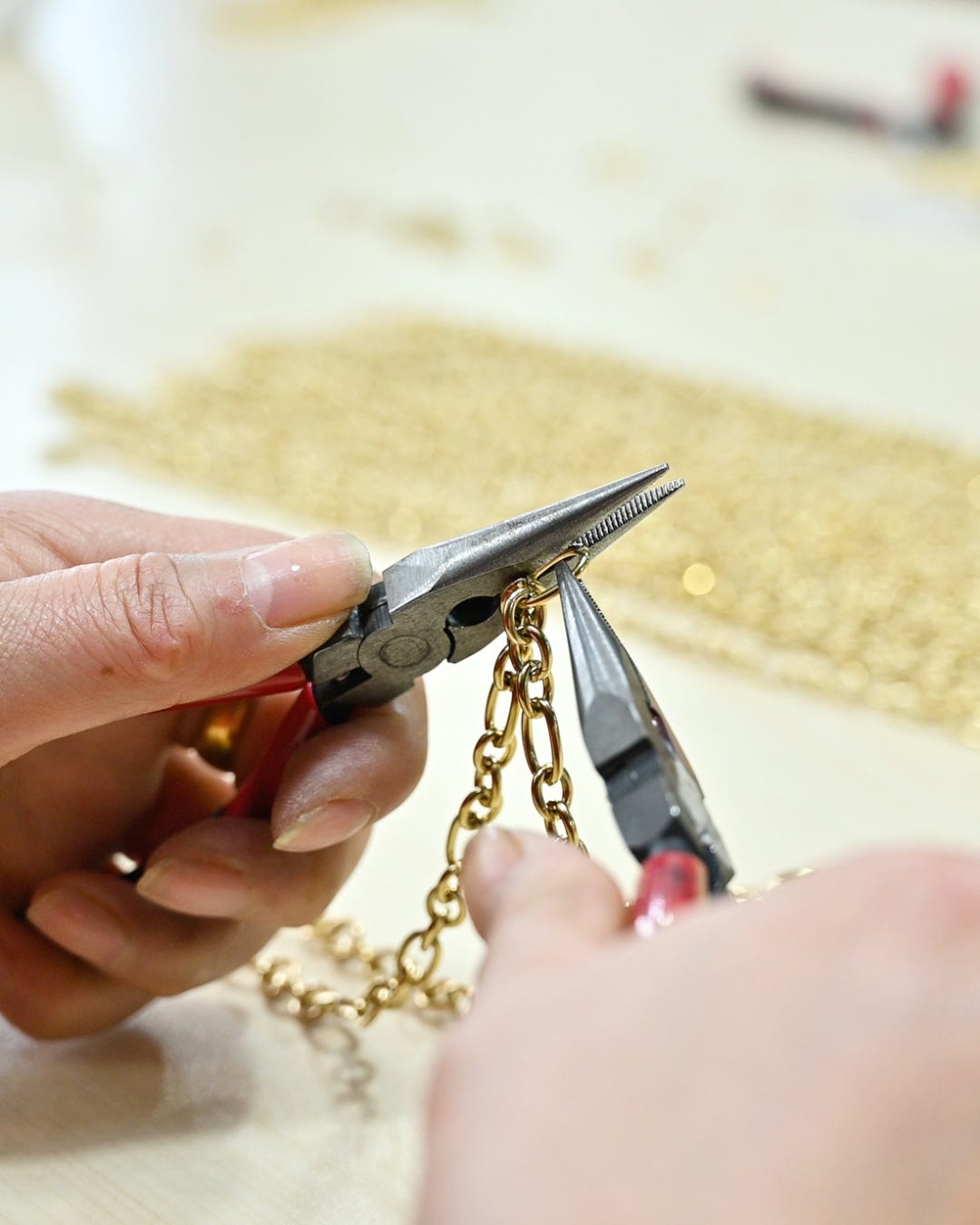
Jewelry-making has a long history across Asia, with generations of artisans developing extraordinary skills in metalwork, stone setting, enameling, and intricate hand assembly.
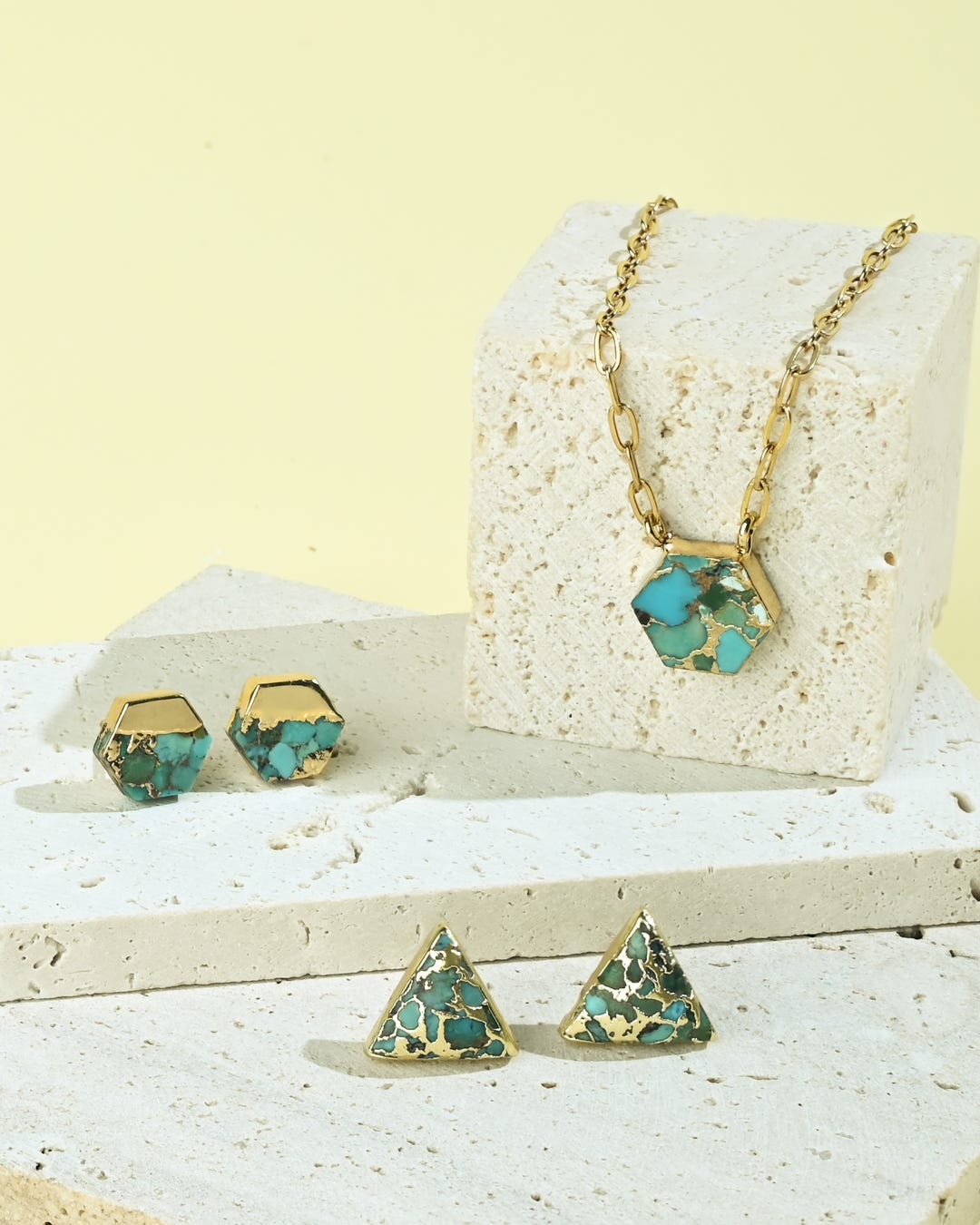
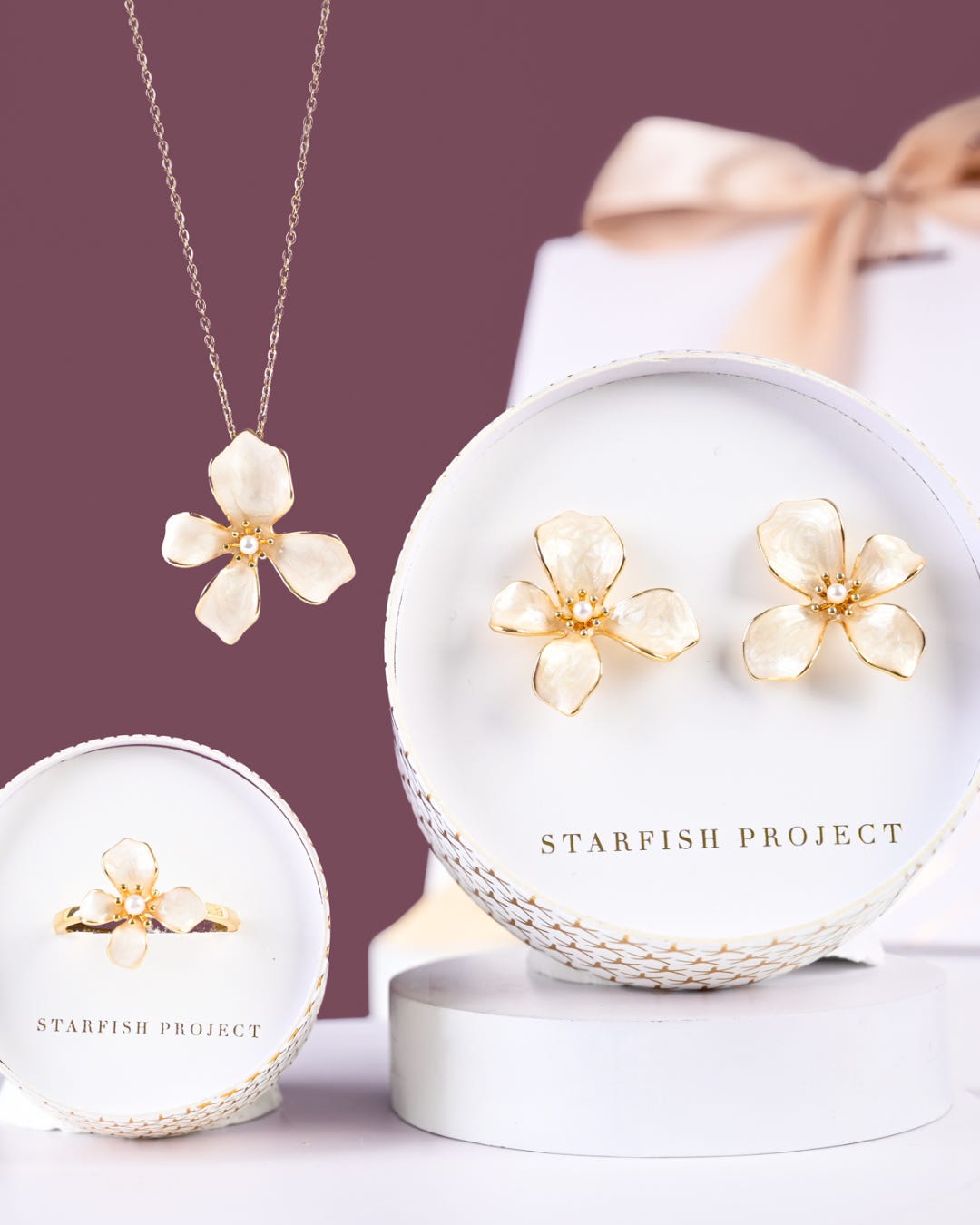
Many of our artisans learned traditional craft-making techniques that have been refined over generations. We love pairing those skills with fresh colors, modern shapes, layered enamel, natural stones, and playful textures. It’s that combination of heritage and contemporary design that makes each collection feel unique.
NEST: How did you learn your craft?
JENNY: Necessity is a surprisingly good teacher.
I didn’t go to design school. I learned because I desperately wanted to create opportunities for women, and beautiful products were the bridge that made that possible.
Over the past two decades, I’ve learned from incredible designers, artisans, manufacturers, retailers, photographers, and honestly, our customers. Every collection teaches us something new, and I’m still learning every single day.
“Every woman, staff member, customer, and supporter contributes something unique. We celebrate each other’s victories, learn from challenges together, and genuinely believe that everyone’s story matters.”
NEST: How did you know this would become your career?
JENNY: I don’t think there was one defining moment. It happened gradually as I realized that design could become a bridge between opportunity and dignity. The more I learned about creating products people genuinely loved, the more opportunities we could create for women rebuilding their lives.
At some point, I looked up and realized that this wasn’t just a project anymore. It had become my life’s work.
NEST: What is one thing you love about your community?
JENNY: I love how resilient our community is. Every woman, staff member, customer, and supporter contributes something unique. We celebrate each other’s victories, learn from challenges together, and genuinely believe that everyone’s story matters.
I’ve also learned that resilience is contagious. When one woman discovers confidence, she often helps another woman discover hers too. That ripple effect is one of the most beautiful things I’ve ever witnessed.
Learn more about World Day Against Trafficking in Persons, and join Nest in supporting women worldwide with a donation today.